

China Top UV Ballast Water Treatment System Supplier?
Choosing a China top UV ballast water treatment system supplier requires more than comparing prices or factory photographs. Shipowners need equipment that performs reliably under changing water quality, flow rates, and vessel operating conditions.
This guide examines how Chinese manufacturers design, test, and support a uv ballast water treatment system. It considers ultraviolet dose, reactor materials, sensor accuracy, control software, and installation space. Clear technical data matters. A compact skid may look attractive, yet maintenance access can become difficult in a crowded pump room.
Experienced suppliers should provide documented testing, commissioning support, spare-parts planning, and practical crew training. Their systems should align with applicable IMO ballast water requirements and relevant type-approval expectations. Independent verification remains important, because marketing language can hide weak evidence.
Field experience also reveals less obvious details. Turbid water may affect treatment performance. Lamp cleaning intervals can change with sediment levels. A responsive service team can prevent small alarms from becoming costly delays. Still, no supplier is perfect. Factory quality may vary between models, projects, or subcontractors. Buyers should ask uncomfortable questions about failure rates, warranty exclusions, software updates, and response times.
The strongest comparison combines laboratory results with references from operating vessels. It checks whether the supplier understands local installation realities, not only product specifications. China offers many capable manufacturers, but “top” should describe proven performance, transparent documentation, and dependable after-sales support. That judgment deserves careful evidence.
UV Ballast Water Treatment Systems: Definition and Operating Principles
China Top UV Ballast Water Treatment System Supplier?
UV Ballast Water Treatment Systems: Definition and Operating Principles
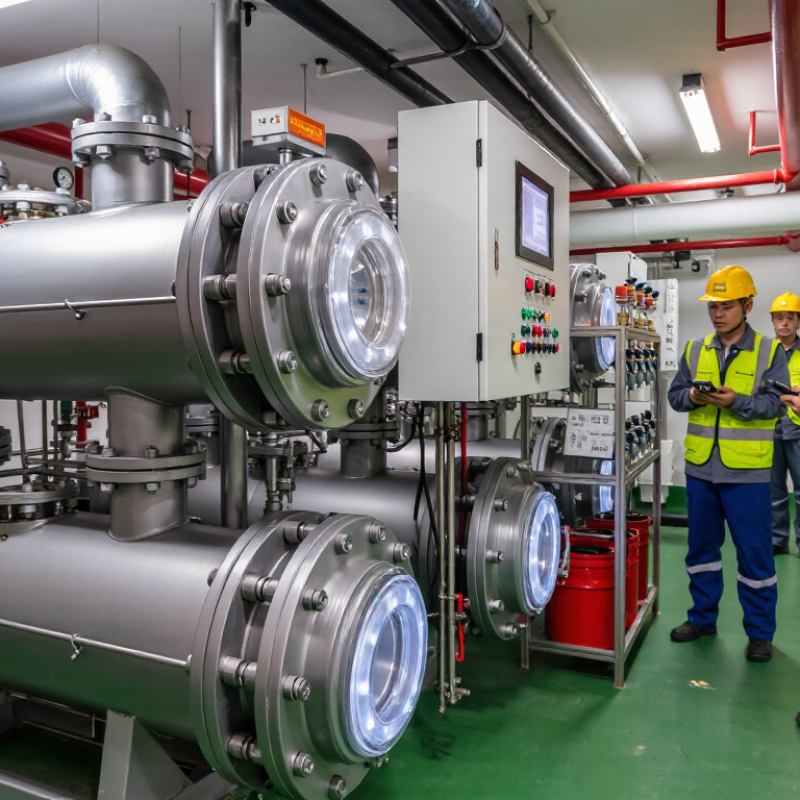
A UV ballast water treatment system uses ultraviolet light to neutralize organisms before discharge. It usually combines a self-cleaning filter, UV chamber, flow meter, and transmittance sensor. The filter removes larger particles. UV energy then damages the DNA of bacteria, algae, and plankton, stopping reproduction. It does not chemically alter the water.
The IMO Ballast Water Management Convention, Regulation D-2, limits viable organisms to fewer than 10 per cubic metre for organisms measuring 50 micrometres or larger. For organisms between 10 and 50 micrometres, the limit is fewer than 10 per millilitre. These figures explain why dose control matters. Dirty water can absorb UV energy. The sensor must respond quickly.
During ballasting, water commonly passes through filtration and UV treatment. During discharge, some approved designs use UV treatment again, while others apply different flow arrangements. The exact sequence depends on the system’s approval documents and vessel layout. Practical checks matter. Lamp intensity, quartz sleeve fouling, flow rate, and sensor calibration can affect performance.
UNCTAD’s Review of Maritime Transport 2024 reported a global commercial fleet of about 109,000 ships at the beginning of 2024. That scale makes reliable ballast water management increasingly important. Yet a larger system is not automatically better. Energy demand, maintenance access, seawater transmittance, and crew training deserve equal attention. The weak point is often not the lamp. It may be neglected cleaning.
Key Technologies Used in China’s UV Ballast Water Treatment Systems
China Top UV Ballast Water Treatment System Supplier?
China’s UV ballast water treatment systems commonly combine automatic filtration, UV reactors, sensors, and control software. The filter removes larger organisms and suspended particles before disinfection. This matters because muddy water can reduce UV transmittance and shield microorganisms.
The reactor usually uses UV-C energy near the 254-nanometer range. High-intensity lamps expose treated water inside stainless-steel chambers. Quartz sleeves protect the lamps while allowing light to pass. Sensors track UV intensity, flow rate, pressure, and water quality. An automatic wiping system can remove deposits from the sleeves, especially during long voyages. Some designs adjust lamp power according to flow and transmittance, reducing unnecessary energy use. The control panel should record alarms, operating hours, and treatment data for inspection.
Tips: Check UV transmittance, not only flow capacity. Ask for test evidence using different salinity and turbidity levels. Confirm how often the sleeves need cleaning. A compact reactor may save space, but restricted access can make maintenance difficult. No system is flawless. Poor sensor calibration, fouled sleeves, or delayed filter cleaning can weaken real performance. Operators should also verify installation details, spare-part availability, and crew training before choosing a supplier. A system that looks efficient on paper may perform differently in cold, silty, or heavily loaded water.
How to Evaluate a Top Chinese UV Ballast Water Treatment Supplier
China Top UV Ballast Water Treatment System Supplier?
How to Evaluate a Top Chinese UV Ballast Water Treatment Supplier
Choosing a Chinese UV ballast water treatment supplier requires more than comparing prices. Review its engineering experience, production records, and vessel applications. Ask for documented flow rates, UV dose data, power consumption, and treatment performance under different water qualities. A serious supplier should explain how turbidity and low ultraviolet transmittance affect operation.
Visit the factory if possible. Inspect reactor welding, electrical cabinets, lamp assembly, and pressure testing procedures. Request traceable records for critical components. Independent test reports can support performance claims, but they should match the proposed system configuration. Check whether the supplier has handled installation, commissioning, and crew training on operating vessels.
Service details often reveal reliability. Confirm spare lamp availability, response times, remote support, and technician coverage near major ports. Ask how alarms are tested and how the system behaves during sensor failure. Real operating feedback matters more than polished brochures. I would also compare maintenance hours, not only initial cost. A cheaper system may demand frequent cleaning or replacement parts. That mistake is easy to make.
Look carefully.
Certification, Compliance, and Quality Standards for UV Systems
China Top UV Ballast Water Treatment System Supplier?
Certification, Compliance, and Quality Standards for UV Systems
A reliable UV ballast water treatment system needs more than strong ultraviolet lamps. It requires documented testing, traceable components, and approval for the intended vessel type. International Maritime Organization requirements and flag-state rules should guide the certification process. Type approval normally examines biological treatment performance, safety, software control, and installation conditions. Testing should cover different water qualities, including low ultraviolet transmittance.
Look beyond the certificate.
A professional supplier should provide test reports, calibration records, operating limits, and maintenance instructions. UV intensity sensors need regular verification. Lamp aging also affects treatment performance. A system may pass factory testing but perform differently after months of vibration, salt exposure, and dirty quartz sleeves. This is where practical engineering experience matters. Factory acceptance tests, onboard commissioning, and service training can reveal problems that documents miss.
Quality control should include pressure testing, electrical safety checks, corrosion-resistant materials, and alarm verification. The control panel must record treatment status and important operating data clearly. Crew members should understand when cleaning is required and what happens during a fault. Compliance is not a one-time purchase decision. Certificates can lose value when equipment changes without review. In my experience, suppliers sometimes focus heavily on approval paperwork and underestimate installation details. That weakness deserves careful questioning before a system is selected.
Installation, Maintenance, and Lifecycle Support Considerations
China Top UV Ballast Water Treatment System Supplier?
Installation, Maintenance, and Lifecycle Support Considerations
Selecting a China-based UV ballast water treatment supplier requires more than comparing equipment prices. Installation planning should begin with vessel drawings, pump capacity, pipe routing, and available service space. Technicians must check flange alignment, cable protection, sensor placement, and control-panel access. Small layout errors can delay commissioning.
During commissioning, operators should test flow alarms, UV intensity readings, automatic shutdowns, and cleaning cycles. Crew training needs practical demonstrations, not only digital manuals. Show them how to inspect quartz sleeves, record operating hours, and respond to low-intensity warnings. Keep critical spare parts onboard, especially lamps, seals, sensors, and cleaning components. They should be clearly labeled.
Maintenance quality affects treatment performance and operating cost. A service plan should define inspection intervals, replacement procedures, response times, and technical documentation. Remote support is useful, but onboard troubleshooting still matters when connectivity fails. A reliable supplier provides traceable service records and helps align procedures with vessel requirements and applicable maritime standards.
Support must continue after installation. This includes software updates, crew refreshers, spare-part planning, and retrofit advice. Some suppliers promise quick assistance, yet their local coverage may be limited. That risk deserves direct questioning. Request references from similar vessels and examine actual response histories. A perfect maintenance plan rarely survives unchanged at sea, so periodic review remains necessary.
Related Posts
-
How to Choose a UV Ballast Water Treatment System in 2026?
-

2026 Best Filtration Technology Innovations You Need to Know?
-
5 Industry Applications of the Best Cross Flow Filtration: 7 Compelling Reasons for Implementation
-

2026 Top Molded Pulp Trays for Sustainable Packaging Solutions?
-

10 Essential Tips for Choosing the Right Pulp Molding Machine for Your Business
-
What is a CNC Coolant Filter System and How Does It Work?