How to Navigate the Paper Pulp Industry for Sustainable Practices?
In the ever-evolving paper pulp industry, sustainability has become a critical focus. Experts like Dr. Emily Johnson, a leading figure in sustainable manufacturing, emphasize that "sustainable practices can drive innovation and profitability." This insight encourages companies to rethink their operations.
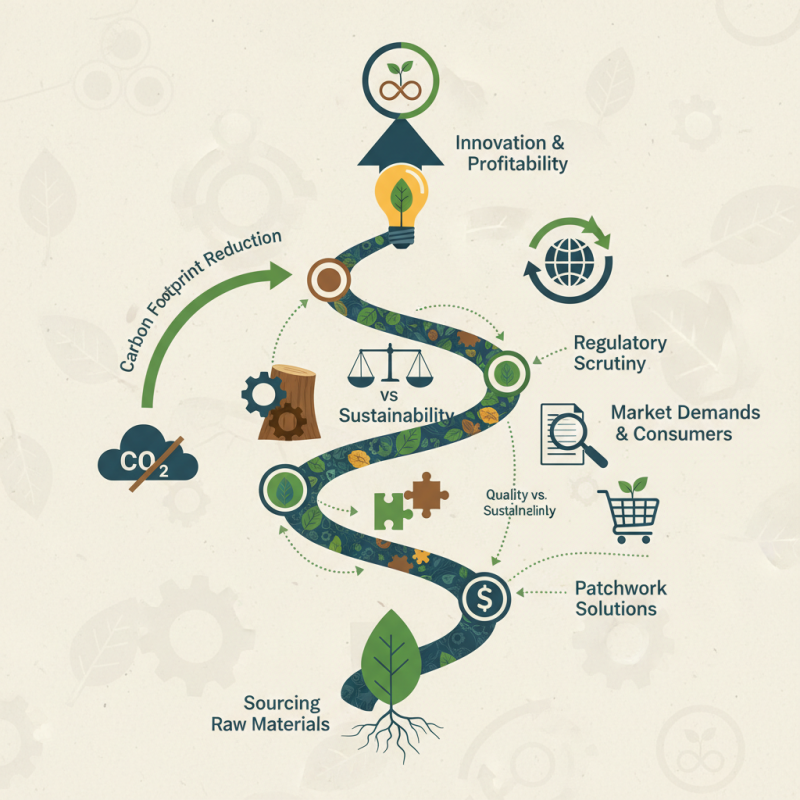
Navigating the paper pulp industry requires a deep understanding of both environmental impact and market demands. Each step in production presents opportunities and challenges. For instance, sourcing raw materials responsibly can significantly reduce carbon footprints. However, finding the balance between quality and sustainability remains elusive for many.
As the sector faces scrutiny from consumers and regulators, the urgency for transformation grows. Many companies struggle to adapt to new standards set by eco-conscious markets. This complexity often leads to a patchwork of solutions, which might not fully address the overarching issues. The journey towards sustainable practices is ongoing. It involves constant learning and reflection on what truly makes a difference in the paper pulp industry.
Understanding the Paper Pulp Industry: A Comprehensive Overview
The paper pulp industry is a vital sector with significant environmental impacts. According to the World Wildlife Fund, the sector contributes to deforestation and habitat loss. Each year, approximately 400 million tons of paper pulp are produced globally. This raises concerns about sustainability and ecological balance.
Sustainable practices in the paper pulp industry are not just necessary; they are overdue. Approximately 75% of global pulp production comes from virgin wood, leading to increased carbon emissions. Alternative sources, such as recycled paper, only account for 25%. Companies are pushed to explore innovative methods, such as agricultural residues and non-wood fibers, to reduce their ecological footprint.
Moreover, while certifications exist, such as FSC and PEFC, they are not universally effective. Many producers still face challenges in adhering to these standards. The integration of circular economy principles is crucial. Feedback from stakeholders indicates a growing demand for transparency in sourcing and production processes. Transitioning towards sustainable practices is complex, yet essential for the industry's future.
Current Environmental Impact of Conventional Paper Pulp Production
The conventional paper pulp industry significantly impacts the environment. Traditional methods often rely on clear-cutting forests. This practice leads to a decline in biodiversity and disrupts ecosystems. Water consumption is another critical concern. Large amounts of water are needed for processing pulp, leading to shortages in local communities.
Moreover, the chemical processes involved in pulp production release toxins. These substances can contaminate waterways and harm aquatic life. Air quality also suffers. Emissions from pulp mills contribute to air pollution, affecting nearby residents' health. Despite these challenges, many strive for improvement.
Sustainable practices are vital for the future of the paper pulp industry. More efficient technologies and responsible sourcing can mitigate damage. Educating consumers plays a role too. People need to be aware of their choices and their impacts. Nevertheless, the shift toward sustainability is slow, requiring persistent effort. Regular audits and transparency in operations can help build trust and accountability.
How to Navigate the Paper Pulp Industry for Sustainable Practices? - Current Environmental Impact of Conventional Paper Pulp Production
| Dimension |
Conventional Production |
Sustainable Practices |
| Water Usage (liters/ton) |
3000 |
1000 |
| Energy Consumption (MWh/ton) |
4.5 |
2.0 |
| CO2 Emissions (kg/ton) |
1200 |
300 |
| Waste Generated (kg/ton) |
400 |
100 |
| Chemicals Used (kg/ton) |
200 |
50 |
Key Sustainable Practices in the Paper Pulp Industry Today
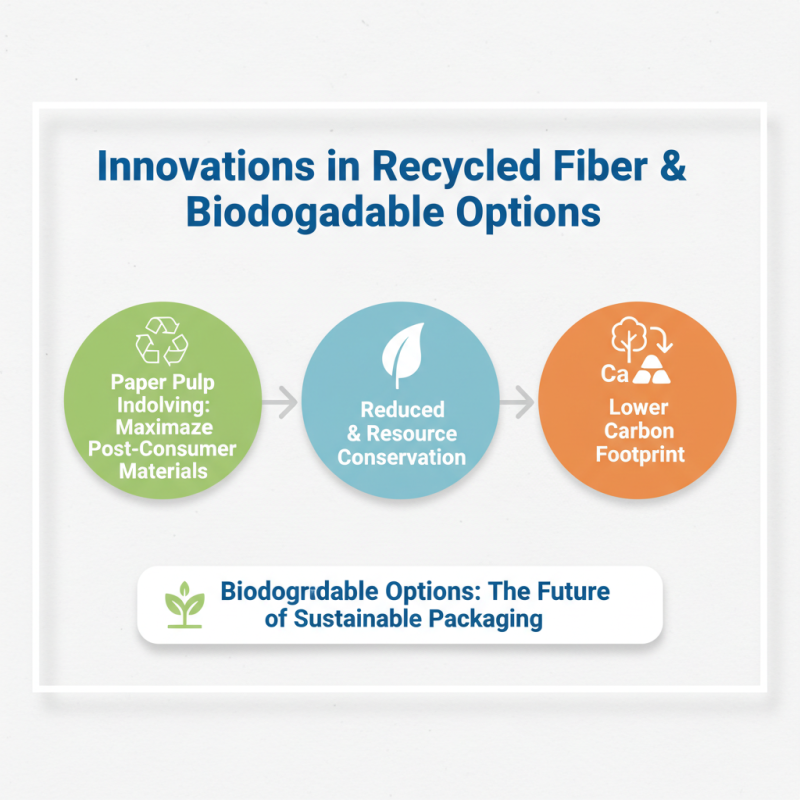
The paper pulp industry faces pressures to adopt sustainable practices. Many companies are shifting towards eco-friendly fibers. This trend includes using recycled materials. It promotes sustainability while reducing reliance on virgin pulp.
Energy consumption is a major concern. Modern mills are investing in efficient machinery. They focus on minimizing waste during production. Water reuse systems are also being implemented. This translates to less pollution in local water bodies.
Tip: Evaluate energy sources regularly. Renewable options can significantly reduce the carbon footprint.
Additionally, transparency in supply chains is increasingly valued. Eco-certifications provide credibility. They assure consumers that the products are sourced responsibly. Engagement with local communities is critical. This ensures that practices are culturally appropriate and environmentally friendly.
Tip: Establish clear communication with stakeholders. It builds trust and fosters collaboration in sustainability efforts.
Regulatory Frameworks and Certifications for Sustainable Practices
The paper pulp industry faces increasing pressure to adopt sustainable practices. Regulatory frameworks play a crucial role in this transition. Various international agreements and local laws are being established to enhance environmental protection. Companies must comply with these regulations to avoid penalties. This need for compliance often leads to a deeper examination of production techniques.
Certifications are vital tools for demonstrating commitment to sustainability. Obtaining certifications can help build trust with consumers. However, not all certifications hold equal weight. Some are more rigorous than others, and it's essential for businesses to choose wisely. This decision may involve evaluating the credibility of certifying bodies and the specific requirements they impose.
Navigating these frameworks can be daunting. Many companies struggle to understand the fine print of regulations. There can be gaps in knowledge regarding sustainable practices. Often, businesses underestimate the time and resources needed to achieve compliance. Continuous education and training are necessary. By fostering a culture of sustainability, companies can better align their operations with regulatory demands and consumer expectations.