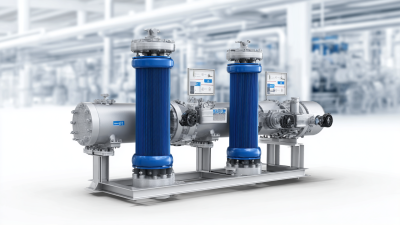
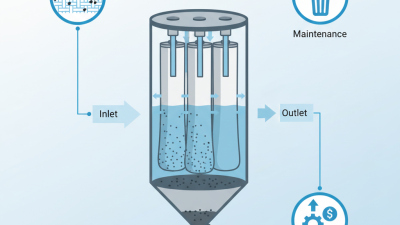
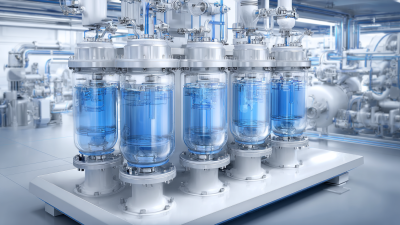
What Is a Cross Flow Filtration System?
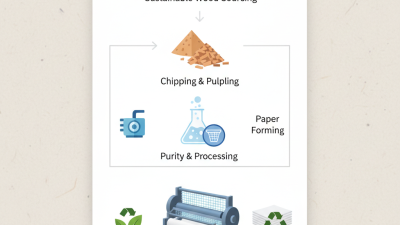
A cross flow filtration system separates suspended particles from a liquid without forcing the entire stream directly into a filter surface. Instead, the liquid moves across a membrane or porous barrier. Pressure drives part of the fluid through the barrier as permeate. The remaining stream, called retentate, continues along the surface.
It sounds simple. In practice, the design involves several connected decisions. Operators must consider particle size, viscosity, membrane material, transmembrane pressure, flow velocity, and cleaning requirements. A dairy processor may use this system to concentrate proteins, while a laboratory may clarify cell cultures or protect sensitive biological materials. Each application needs different controls.
The main advantage is reduced surface buildup compared with conventional dead-end filtration. However, crossflow does not eliminate fouling. A cloudy feed can still form a dense layer, especially when pressure rises too quickly. Careful monitoring of pressure, temperature, flow rate, and permeate quality improves consistency. Experienced users also inspect seals, tubing, and membrane condition before operation.
No system fits every product. Membrane selection can be misunderstood when testing is too limited. Small differences in viscosity or solids concentration may change performance significantly. This guide explains how a cross flow filtration system works, where it is commonly used, and which practical factors influence reliable operation. It also examines its limitations, because realistic expectations support safer decisions, stronger process control, and better long-term results.
Definition and Core Purpose of a Cross Flow Filtration System
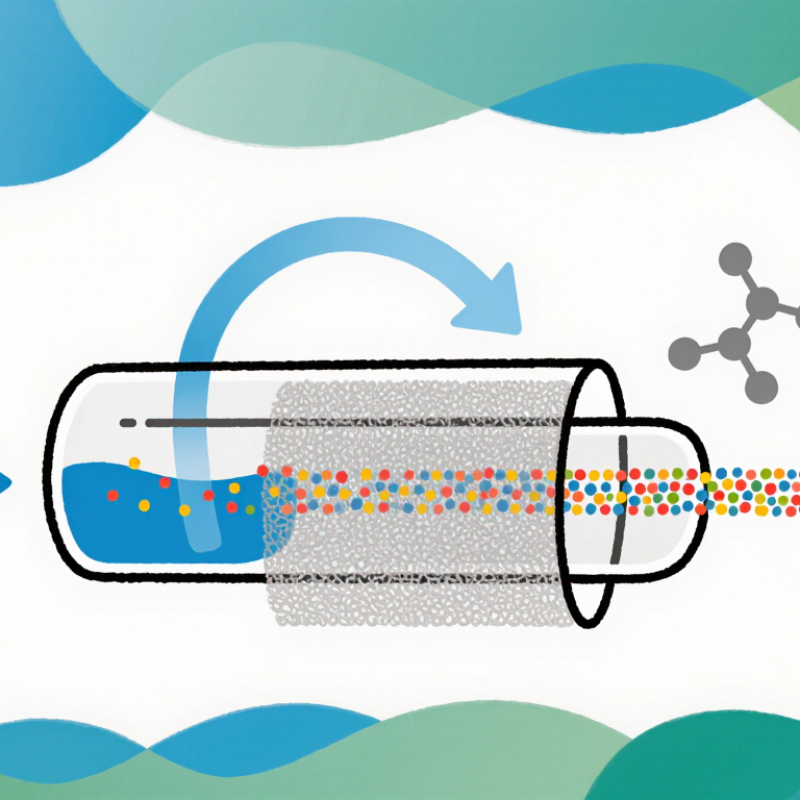
A cross flow filtration system separates suspended solids, microorganisms, or dissolved compounds from a liquid by moving the feed across a membrane surface. Unlike dead-end filtration, the liquid does not travel directly into the membrane. Most of it flows sideways, while pressure pushes a smaller portion through the membrane as permeate.
This movement helps carry particles away from the surface. It can reduce cake buildup and maintain filtration performance for longer operating periods. The retained liquid, called concentrate or retentate, leaves through a separate outlet. Operators can adjust cross-flow velocity, pressure, temperature, and recovery rate for each process. Small changes matter. A higher pressure may increase output, but it can also worsen fouling or damage sensitive materials.
The core purpose is controlled separation with fewer interruptions. This matters in water treatment, food processing, biotechnology, and industrial wastewater management. The United Nations World Water Development Report 2024 states that agriculture accounts for about 70% of global freshwater withdrawals, increasing pressure to reuse process water. The WHO and UNICEF Joint Monitoring Programme reported that 2.2 billion people lacked safely managed drinking water in 2022, showing why reliable treatment remains important. These figures do not make cross flow filtration a universal solution. Energy demand, membrane replacement, cleaning chemicals, and concentrate disposal still require careful evaluation. In practice, the best design is rarely the one with the highest initial flow.
What Is a Cross Flow Filtration System?
A cross flow filtration system directs the feed stream parallel to the membrane surface. This continuous sweeping action helps reduce particle buildup, maintain permeate production, and separate suspended solids or dissolved substances more efficiently than dead-end filtration.
Chart explanation: Transmembrane pressure (TMP) is the driving force that pushes liquid through a membrane. Typical TMP increases as the membrane becomes finer, from microfiltration to reverse osmosis. Actual operating conditions depend on feed quality, membrane material, temperature, and the required separation performance.
How Cross Flow Filtration Separates Solids from Fluids
What Is a Cross Flow Filtration System?
How Cross Flow Filtration Separates Solids from Fluids
A cross flow filtration system moves a liquid mixture across a membrane surface. Unlike dead-end filtration, the feed does not travel directly toward the membrane. Pressure pushes part of the liquid through tiny pores, creating the filtered stream. The remaining fluid carries solids along the membrane. Less cake forms. This distinction matters when suspended particles could quickly block a conventional filter.
During operation, the membrane separates fluids from particles by size, shape, and material behavior. Small liquid molecules pass through as permeate. Larger particles remain in the circulating stream. Cross-flow movement creates shear near the membrane, which helps loosen deposited solids. Flow speed must be controlled carefully. Too slow, and fouling increases. Too fast, and energy use rises without improving separation. In practice, the ideal setting is rarely obvious at the beginning.
Operators usually monitor pressure, flow rate, temperature, and permeate clarity. A rising pressure difference can signal membrane fouling. A sudden change in clarity may indicate damage, poor sealing, or unstable feed conditions. Cleaning routines depend on the material being processed and the membrane’s chemical limits. Visual checks still matter, even with automated sensors. I have found that a clean reading does not always mean perfect separation. Some fine particles remain difficult to detect, especially when the feed changes during production.
Main Components and Their Roles in the System
What Is a Cross Flow Filtration System?
Main Components and Their Roles in the System
A cross flow filtration system moves liquid across a membrane surface instead of pushing it directly through. This steady sideways flow helps reduce cake buildup and supports longer filtration runs. The feed pump controls pressure and flow rate, while the membrane module separates particles, microbes, or dissolved substances by size. Tubular, hollow-fiber, and flat-sheet modules serve different duties. Selection depends on viscosity, solids content, cleaning needs, and production scale.
The pressure gauge and flow meter are small but important. They show whether the system is operating within its useful range. A pressure-control valve adjusts transmembrane pressure, which drives permeate through the membrane. The retentate line returns concentrated liquid for another pass or sends it to collection. The permeate line carries filtered liquid into a clean tank. Seals, clamps, and piping prevent leaks, although these parts are often ignored during routine checks. That is a mistake. A damaged seal can affect hygiene and test results.
Tips: Check pressure, flow, and temperature during each run. Clean the membrane according to its material limits, not guesswork. Keep samples from the feed and permeate lines for comparison. Sudden flow loss may indicate fouling, air entry, or a blocked valve. Do not change several settings at once; otherwise, finding the real cause becomes difficult. Real systems are rarely perfect. Small trends often matter more than one impressive reading.
Key Operating Steps and Process Parameters
A cross flow filtration system moves liquid across a membrane instead of pushing it directly through. This tangential flow reduces rapid cake formation on the membrane surface. In practice, operators begin by checking feed clarity, temperature, pH, and viscosity. A coarse pre-filter often protects the membrane from large particles. Small details matter.
The pump then fills the loop and removes trapped air. Operators adjust the crossflow velocity gradually, avoiding sudden pressure changes. They monitor transmembrane pressure, or TMP, across the membrane. Flux shows how much permeate passes through over time. Feed pressure, retentate pressure, and permeate pressure should remain stable. If TMP rises while flux falls, fouling may be developing. However, a clean-looking permeate can mislead. The membrane may still be partially blocked.
During concentration, the retentate returns to the feed tank while permeate leaves the system. Operators control the volume reduction by watching tank level and conductivity. Temperature deserves attention because warmer liquids often flow more easily. Excessive heat, however, can damage sensitive materials. Membrane material, pore size, flow rate, and pressure limits must match the process. These choices require testing, not guesswork.
Cleaning begins after processing, while residues are still wet. A suitable rinse removes loose solids before chemical cleaning starts. Cleaning time, solution strength, temperature, and flow direction affect recovery. I have seen teams change several parameters at once, making failures difficult to diagnose. Recording one adjustment at a time provides clearer evidence. Even experienced operators should review trends rather than trust a single reading.
Common Applications, Benefits, and Limitations
A cross-flow filtration system moves feed liquid parallel to a membrane surface, not directly through it. Pressure drives water and dissolved components through the membrane, while retained solids leave as concentrate. This layout reduces cake buildup compared with dead-end filtration.
It is widely used for dairy protein concentration, beverage clarification, bioprocess harvesting, municipal reuse, and industrial wastewater treatment. The choice depends on pore size, feed chemistry, temperature, and recovery targets.
According to the WHO and UNICEF Joint Monitoring Programme’s 2023 report, 2.2 billion people lacked safely managed drinking water in 2022. That gap strengthens interest in reliable treatment and reuse.
Still, filtration alone cannot remove every dissolved contaminant. Pretreatment matters.
The main benefits include continuous operation, higher solids loading, and selective separation.
Operators can concentrate proteins or recover process water without phase-change heating. In food applications, this may protect flavor and reduce thermal damage. Membrane systems can also provide compact footprints where plant space is limited.
The limitations are practical. Pumps consume energy, membranes foul, and cleaning can interrupt production. High viscosity increases pressure demand. Some salts, solvents, and small molecules pass through.
UNESCO’s 2024 World Water Development Report states that agriculture uses about 70% of global freshwater withdrawals, making reuse attractive but not automatically sustainable.
A poor recovery target can create more concentrate than expected. It is not a magic sieve.
Real feed trials matter because seasonal solids, microbes, and temperature can distort short laboratory results.