2026 How to Choose Side Stream Filtration Systems?
In 2026, choosing a side stream filtration system requires more than comparing flow rates and prices. Heating networks face suspended solids, magnetite, scale particles, and corrosion debris. These contaminants can settle inside boilers, pumps, valves, and heat exchangers. Even a thin black coating may reduce heat transfer and increase service calls. This guide explains how to assess equipment for side stream filtration for heating system applications.
The right selection depends on system volume, water quality, operating temperature, and available installation space. Engineers should compare filtration efficiency, pressure loss, bypass flow, housing materials, and cleaning requirements. Automatic units may suit large commercial loops with limited maintenance access. Manual filters can remain practical for smaller buildings with trained operators. A practical review should examine the pump curve, pipe diameter, connection points, and drain location. Small details matter.
Water testing should support every serious decision. Test results can reveal iron levels, conductivity, hardness, pH, and suspended solids. Manufacturers should provide verified performance data, service intervals, and safe operating limits. Independent engineering advice adds confidence, especially during retrofit projects. Still, no filter solves poor water treatment alone. That assumption needs reconsideration. Incorrect dosing, air ingress, or neglected expansion vessels may continue generating debris. This outline presents a balanced method for selecting reliable equipment, while recognizing that real systems rarely behave perfectly. Performance should be checked after installation through pressure readings, visual inspections, and documented water analysis.
Side Stream Filtration Systems: Definition, Purpose, and Operating Principles
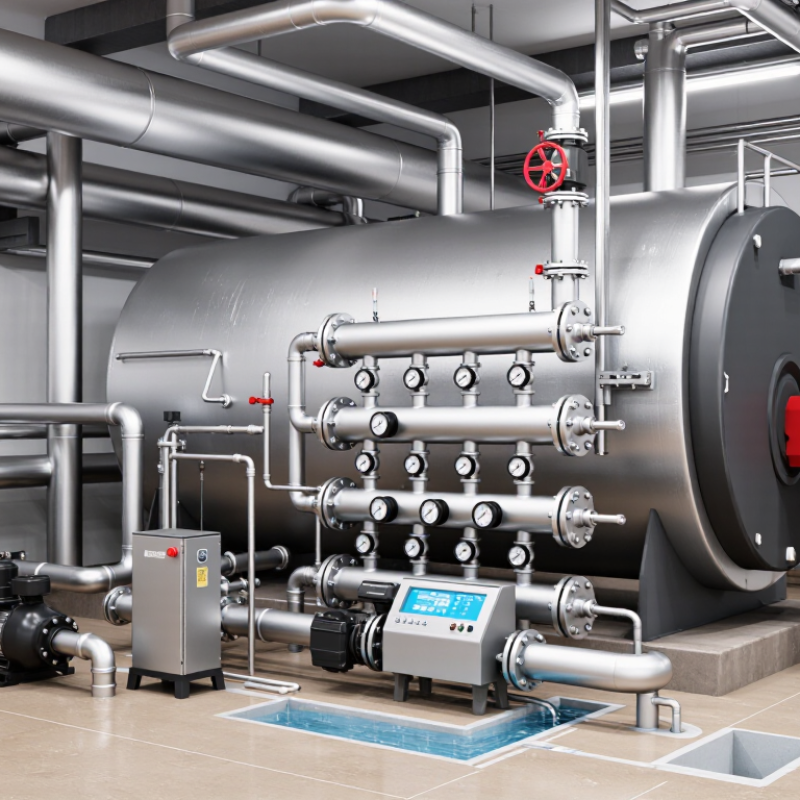
In 2026, choosing a side stream filtration system starts with understanding its job. It continuously diverts a small portion of circulating water through a filter. The cleaned water then returns to the main loop. This process removes suspended solids, rust, scale particles, and biological debris before they settle inside equipment. The purpose is practical: cleaner water supports heat transfer, reduces fouling, and protects valves, pumps, and heat exchangers. ASHRAE Handbook guidance identifies filtration as an important part of hydronic water management, especially where debris threatens system performance.
Operating conditions decide the correct design. Review flow rate, pipe size, pressure loss, temperature, and contaminant type. A filter that is too small may clog quickly. An oversized unit can increase purchase and pumping costs. The U.S. Department of Energy’s Improving Pumping System Performance sourcebook reports that pumping systems can represent about 27% of industrial electricity use. Therefore, excessive pressure drop deserves serious attention. Actual savings vary, and this figure should not become a promise. Field water testing remains essential because many projects rely on assumptions.
Tips:
Compare clean and dirty pressure-drop readings. Set a maintenance trigger before performance declines. Inspect strainers, differential-pressure gauges, and drain points regularly. Automatic backwashing can reduce labor, but it still needs verification. A short pilot test may reveal unexpected corrosion or biological growth. No single filter media suits every loop.
Assess Water Quality, Flow Rates, and System Contaminants
2026 How to Choose Side Stream Filtration Systems?
Choosing a side stream filtration system begins with water evidence, not equipment appearance. Test pH, hardness, conductivity, turbidity, and suspended solids before selecting a filter. A clear sample can still contain fine particles or dissolved minerals. Sample water near pumps, heat exchangers, and return lines. These locations often reveal different contamination patterns.
Flow rate must match the system’s volume, operating schedule, and cleanliness target. Measure the circulating flow, pressure, and available bypass capacity. A filter that processes water too slowly may leave contaminants circulating for hours. Excessive flow can increase pressure loss and maintenance frequency. Particle size also matters. Sand, rust flakes, biological growth, and oil-like residues require different separation methods. In field projects, the first flow estimate is sometimes wrong. Recheck it during normal operation, not only during commissioning.
Tips:
Keep a written water analysis. Record pressure before and after filtration. Inspect the collected solids. They can reveal corrosion, construction debris, or an overlooked treatment problem. Replace test samples when conditions change. Use qualified water-treatment personnel to verify sizing and installation details. Avoid choosing a system from flow rate alone. That shortcut often creates disappointing results.
Evaluate Capacity, Maintenance Needs, Costs, and Energy Use
2026 How to Choose Side Stream Filtration Systems?
Capacity should match the actual loop, not the largest pump available. ASHRAE guidance commonly places side-stream filtration near 3–10% of recirculating flow, depending on water quality and system risk. Measure flow, suspended solids, basin volume, and seasonal load before selecting equipment. A clear sight glass helps operators spot changes quickly. Bigger is not automatically better.
Maintenance often decides the real cost. The U.S. Department of Energy’s Pumping System Sourcebook links efficient operation with correct sizing, pressure control, and regular inspection. Check filter loading, differential pressure, drain performance, and cleaning frequency. Automatic backwashing can reduce manual work, but it still consumes water and energy. That trade-off is easy to miss.
Energy use deserves a simple calculation. Compare pump power, operating hours, pressure loss, and backwash volume. The U.S. Environmental Protection Agency’s WaterSense research emphasizes that water efficiency also reduces the energy required for treatment and distribution. Request lifecycle costs, not only purchase prices. Include labor, replacement media, disposal, and downtime. My practical concern is uncertainty: many estimates assume clean water and stable loads. Real cooling loops are rarely so polite. Pilot testing or short-term monitoring may reveal a smaller system performs better.
2026 How to Choose Side Stream Filtration Systems? - Evaluate Capacity, Maintenance Needs, Costs, and Energy Use
| Filtration Technology |
Typical Side-Stream Capacity |
Typical Particle Removal |
Clean Pressure Drop |
Maintenance Requirement |
Typical Installed Cost |
Energy Consideration |
Best-Fit Applications |
| Centrifugal Separator |
2–150 m³/h |
Generally 20–100 μm, depending on particle density and flow rate |
0.3–0.8 bar |
Low; inspect the collection chamber and flush periodically |
US$2,000–US$25,000 |
No filter media to replace; pressure loss increases pumping demand |
Coarse sand, grit, and inorganic solids in cooling or process-water loops |
| Automatic Self-Cleaning Screen Filter |
5–500 m³/h |
Approximately 10–100 μm, based on screen rating |
0.2–0.7 bar when clean |
Low to moderate; automatic flushing, periodic screen inspection, and valve checks |
US$5,000–US$60,000 |
Uses a small quantity of flush water; electrical demand is usually limited to controls and actuators |
Continuous operation where unattended filtration and low water loss are important |
| Bag Filter Housing |
1–100 m³/h per housing |
Typically 1–100 μm, depending on bag rating and particle loading |
0.1–0.5 bar when clean; higher near replacement |
Moderate to high; bags require manual replacement and disposal |
US$1,500–US$20,000 |
Low equipment energy use, but rising pressure drop increases pump energy |
Intermittent duty, polishing filtration, and applications with moderate solids loading |
| Cartridge Filter |
0.5–50 m³/h per housing |
Approximately 0.5–50 μm, depending on cartridge construction |
0.1–0.7 bar when clean |
High for dirty water; cartridges need frequent inspection and replacement |
US$1,000–US$15,000 |
Low direct energy use; clogged cartridges can create substantial additional pump head |
Fine polishing, low-flow systems, and applications requiring compact equipment |
| Multimedia or Sand Filter |
5–300 m³/h per vessel |
Commonly 5–20 μm for suspended solids, depending on media and operating conditions |
0.3–1.0 bar during normal operation |
Moderate; requires scheduled backwashing, valve maintenance, and media replacement over time |
US$8,000–US$80,000 |
Backwash pumps consume energy and water; pressure drop rises as the bed loads |
High suspended-solids loading, large cooling loops, and applications needing deeper filtration |
| Automatic Disc Filter |
5–400 m³/h per system |
Typically 10–100 μm, depending on disc-groove rating |
0.2–0.8 bar |
Low to moderate; automatic backwash with periodic disc-stack inspection |
US$7,000–US$70,000 |
Backwash water and control energy are normally modest, but depend on fouling frequency |
Variable water quality, biological solids, and systems requiring automatic operation |
Selection notes:
Capacity and cost ranges are indicative planning values for typical industrial and commercial water systems. Actual performance depends on flow velocity, water chemistry, solids concentration, particle density, temperature, filtration rating, piping configuration, and required water quality. Installed costs are shown in 2026 U.S. dollars and exclude major civil works, building modifications, taxes, and long-distance transportation. For energy comparisons, evaluate total pump head, backwash water demand, cleaning frequency, and the expected service life of consumables.
Select a System Based on Application, Compliance, and Future Demand
How to Choose Side Stream Filtration Systems?
Select a system around the application, not the catalogue photograph. Identify the circulating flow, basin volume, suspended solids, temperature, and cleaning access. For cooling towers, side stream filtration often treats about 5–15% of recirculating water continuously. The exact percentage needs field verification. A dusty site may require more capacity than laboratory calculations suggest.
Compliance should shape the design early. ASHRAE Standard 188 addresses building water management and Legionella risk control. Filtration cannot replace disinfection, monitoring, or documented maintenance. Specify measurable targets, such as turbidity, pressure differential, and filter loading. Include isolation valves and a safe drain point. Operators need readable gauges beside the equipment, not hidden behind piping.
Future demand also matters. The 2023 Global Cooling Watch report projects cooling demand could more than triple by 2050 without stronger efficiency measures. More cooling loads may increase solids, blowdown, and water-treatment pressure. Select a skid with spare connection points, variable flow control, and space for additional filter stages. The UN World Water Development Report 2024 highlights growing water stress worldwide, making recovery and lower makeup-water use increasingly practical goals. Yet oversized filtration wastes capital and may reduce operating efficiency. I would leave expansion space, but not purchase every option today.
2026 How to Choose Side Stream Filtration Systems?
Select a system based on application, compliance, and future demand.
The decision index uses a 0–100 planning scale. Application fit reflects solids loading and water-system conditions; compliance readiness reflects monitoring, discharge, and water-quality control requirements; future capacity reflects scalability, automation, and expected flow growth. Higher values indicate a stronger selection priority.